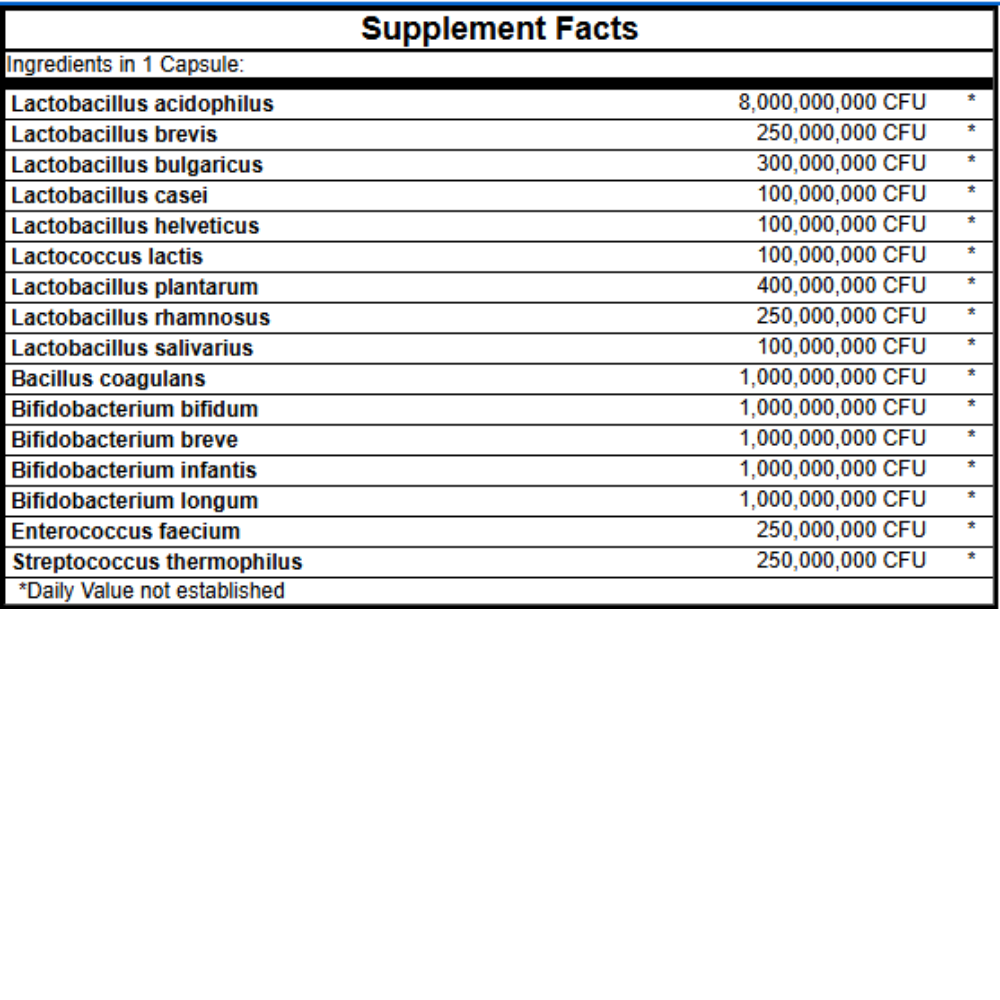
Lactobacillus acidophilus
Lactobacillus acidophilus, a Gram-positive facultative anaerobe, is a resident probiotic found in the vagina and gastrointestinal tract. It produces enzymes to digest proteins, fats, and lactose, aiding in niacin, folic acid, and pyridoxine production, and assists in bile deconjugation.
Lactobacillus brevis
Lactobacillus brevis, a probiotic, decreases intestinal permeability and improves intestinal microflora, promoting gut health.
Lactobacillus bulgaricus
Lactobacillus bulgaricus, a transient strain, produces interferon proteins that inhibit virus replication.
Lactobacillus casei
Lactobacillus casei, naturally occurring in the mouth and digestive tract, breaks down carbohydrates and inhibits pathogenic bacteria in the small intestine.
Lactobacillus helveticus
Lactobacillus helveticus, a probiotic, enhances gut health by utilizing glucose fermentation.
Lactococcus lactis
Lactococcus lactis, a transient strain, produces lactic acid and the peptide nisin, which combats Clostridium difficile.
Lactobacillus plantarum
Lactobacillus plantarum, a transient strain, has antimicrobial activities, producing lactolin and secreting hydrogen peroxide.
Lactobacillus rhamnosus
Lactobacillus rhamnosus, a transient probiotic, produces mucin and enhances gut health from the mouth through the small intestine.
Lactobacillus salivarius
Lactobacillus salivarius, found in the mouth and small intestine, breaks down proteins and produces B vitamins, enzymes, and lactic acid.
Bifidobacterium bifidum
Bifidobacterium bifidum, found in the adult colon, produces acids that inhibit harmful bacteria and aids in nutrient absorption and B vitamin production.
Bifidobacterium breve
Bifidobacterium breve, an intestinal probiotic, produces lactic and acetic acids, trans-9, trans-11 conjugated linoleic acid (CLA), and supports immune responses.
Bifidobacterium infantis
Bifidobacterium infantis, present in infants and adults, supports gut health and is a specific inhabitant of the large intestine.
Bifidobacterium longum
Bifidobacterium longum, an early colonizer in newborns, breaks down bile salts, synthesizes B vitamins, and prevents pathogenic bacteria invasion.
Enterococcus faecium
Enterococcus faecium, a resident probiotic in the large intestine, prevents harmful bacteria attachment and supports gut health.
Streptococcus thermophilus
Streptococcus thermophilus, a transient strain, stimulates disease-fighting cells, reduces nitrites, and produces immuno-supportive lactic acid and lactase enzyme.