
Colloidal Copper Benefits: The Complete Guide
Everything you need to know about this powerful trace mineral for beauty, performance, and longevity
🎯 Why Read This: Copper is involved in over 50 enzymatic processes—from building collagen to powering your mitochondria. Yet it's one of the most commonly deficient minerals in modern diets. This comprehensive guide reveals why colloidal copper deserves a place in your wellness routine.
Walk into any high-end spa or dermatologist's office, and you'll find copper-infused serums selling for $100+ per ounce. Browse the supplements aisle at a health food store, and copper is often relegated to a footnote in multivitamins. There's a disconnect here—and it's costing you.
Copper is one of the most versatile and essential trace minerals your body needs, yet most people consume less than half the recommended daily amount. The result? Premature aging, chronic fatigue, weakened immunity, and a cascade of subtle health issues that rarely get traced back to their root cause.
This guide is your comprehensive resource on colloidal copper benefits—from the cellular mechanisms that make it work to practical applications for beauty, performance, and longevity. Let's dive deep.
Understanding Colloidal Copper: Why Form Matters
Before we explore specific benefits, let's clarify what sets colloidal copper apart from other copper supplements on the market.
The Bioavailability Advantage
Not all copper supplements are created equal. The form you choose dramatically affects how much your body can actually absorb and utilize:
❌ Copper Oxide
Absorption: ~12%
Common in cheap multivitamins
Poor bioavailability
Often passes through unabsorbed
⚠️ Copper Sulfate
Absorption: ~25-35%
Better than oxide
Can cause GI distress
Requires stomach acid
✅ Colloidal Copper
Absorption: 60-85%+
Nano-sized particles
Gentle on digestion
Rapid cellular uptake
🔬 The Science: Colloidal copper particles (typically 1-20 nanometers) are small enough to be absorbed directly through cell membranes via passive diffusion and active transport mechanisms. This bypasses many of the absorption limitations that affect larger, salt-based copper compounds.
The Master Benefits: How Copper Transforms Your Health
Copper's benefits span virtually every system in your body. Let's break them down by category, starting with the most popular and working toward the lesser-known but equally powerful effects.
📊 Copper Benefits by Impact Area
🌟 Beauty & Anti-Aging Benefits
This is where copper truly shines—and why those $100 serums exist. But you don't need to spend a fortune when you understand the science.
Collagen & Elastin Production
The mechanism: Copper is an essential cofactor for lysyl oxidase, the enzyme responsible for cross-linking collagen and elastin fibers. Without adequate copper, these structural proteins remain weak and disorganized—leading to sagging skin, wrinkles, and loss of firmness.
What This Means for Your Skin:
- Increased firmness: Properly cross-linked collagen creates a supportive matrix
- Reduced fine lines: Elastin maintains skin's "snap-back" quality
- Improved texture: Organized collagen creates smoother skin surface
- Better wound healing: Faster collagen deposition in damaged areas
💡 Clinical Evidence: A study published in Current Chemical Biology found that copper peptides increased collagen production by 70% and elastin by 76% in human fibroblast cells. While topical copper peptides showed these effects, oral colloidal copper supports collagen production systemically throughout the body.
Antioxidant Defense: The SOD Connection
The mechanism: Copper is a critical component of superoxide dismutase (SOD), one of your body's most powerful endogenous antioxidants. Cu/Zn-SOD neutralizes superoxide radicals—highly reactive molecules that damage cellular membranes, proteins, and DNA.
Anti-Aging Impact:
- Prevents photoaging: Protects against UV-induced free radical damage
- Reduces inflammation: Oxidative stress triggers inflammatory aging cascades
- Preserves mitochondria: Protects cellular powerhouses from oxidative damage
- Supports longevity genes: Reduced oxidative stress activates SIRT1 and other longevity pathways
🧬 Research Note: SOD levels decline with age, contributing to accelerated aging. Maintaining adequate copper status helps preserve SOD activity, potentially slowing the aging process at the cellular level.
Hair Growth & Pigmentation
The mechanism: Copper is essential for two critical hair processes: keratin cross-linking (hair strength) and tyrosinase activation (melanin production for hair color).
Hair Benefits:
- Prevents premature graying: Tyrosinase requires copper to produce melanin
- Strengthens hair shaft: Disulfide bonds in keratin need copper-dependent enzymes
- Improves texture: Properly formed keratin creates smoother, shinier hair
- Supports scalp health: Copper's antimicrobial properties benefit follicle environment
📖 Study Highlight: Research in the Journal of Trace Elements in Medicine and Biology found significantly lower serum copper levels in individuals with premature graying compared to age-matched controls. While not causative, it suggests copper status plays a role in maintaining natural hair pigmentation.
💪 Performance & Recovery Benefits
Connective Tissue & Joint Health
The mechanism: The same lysyl oxidase that builds skin collagen also constructs the collagen matrix in cartilage, tendons, ligaments, and bone. Copper deficiency compromises the structural integrity of all these tissues.
Athletic & Mobility Benefits:
- Enhanced joint flexibility: Properly cross-linked collagen allows smooth movement
- Faster injury recovery: Adequate copper speeds connective tissue repair
- Reduced inflammation: SOD activity helps manage exercise-induced oxidative stress
- Bone density support: Copper works synergistically with calcium and vitamin D
- Tendon resilience: Prevents overuse injuries in high-impact activities
🏃 Athletic Application: Many professional athletes and active individuals use colloidal copper as part of their recovery stack, particularly for maintaining healthy joints during high-volume training periods. It pairs exceptionally well with type II collagen supplementation.
Cellular Energy & Mitochondrial Function
The mechanism: Copper is an essential component of cytochrome c oxidase, the final enzyme in the electron transport chain. This is where the majority of cellular ATP (energy currency) is produced. No copper = inefficient energy production.
Energy Enhancement Effects:
- Increased ATP production: More efficient cellular respiration
- Reduced fatigue: Better oxygen utilization at the cellular level
- Enhanced endurance: Improved mitochondrial density and function
- Faster recovery: Quicker ATP regeneration post-exercise
- Mental clarity: Brain is highly energy-dependent; better ATP = better cognition
⚡ Biohacker Insight: In the biohacking community, copper is increasingly recognized as a key mitochondrial support nutrient. When combined with CoQ10, PQQ, and other mitochondrial enhancers, colloidal copper may amplify energy production and resilience to metabolic stress.
🛡️ Immune & Cardiovascular Benefits
Immune System Support
The mechanism: Copper is essential for proper immune cell development, function, and response. Deficiency impairs neutrophil activity, reduces antibody production, and compromises natural killer (NK) cell function.
Immune Enhancement:
- White blood cell production: Copper supports healthy neutrophil counts
- Antibody response: Necessary for optimal B-cell and T-cell function
- NK cell activity: Supports natural killer cells that target infected/abnormal cells
- Antimicrobial properties: Copper ions themselves have direct antimicrobial effects
- Inflammatory balance: Helps modulate immune response to prevent overactivation
🦠 Fascinating Fact: Hospitals worldwide are installing copper-infused surfaces (door handles, bed rails, IV poles) because copper ions are toxic to bacteria, viruses, and fungi. A study in the Journal of Hospital Infection found that copper surfaces reduced healthcare-associated infections by 58%.
Cardiovascular Health
The mechanism: Copper influences cardiovascular health through multiple pathways: arterial wall elasticity (lysyl oxidase), iron metabolism (ceruloplasmin), lipid metabolism, and cardiac muscle function.
Heart Health Benefits:
- Arterial flexibility: Maintains elastin in blood vessel walls
- Iron transport: Ceruloplasmin (copper-containing) mobilizes iron for red blood cell production
- Blood pressure regulation: Healthy arteries support normal blood pressure
- Cholesterol metabolism: Involved in lipid oxidation and transport
- Cardiac muscle strength: Mitochondrial support benefits heart tissue
⚠️ Critical Balance: Both copper deficiency AND excess can negatively impact cardiovascular health. The goal is optimal balance—typically achieved through moderate, consistent supplementation rather than megadoses. Always consult your healthcare provider if you have existing cardiovascular conditions.
🧠 Cognitive & Neurological Benefits
Brain Health & Neurotransmitter Function
The mechanism: Your brain is one of the most copper-dependent organs in your body. Copper is essential for neurotransmitter synthesis, myelin formation (nerve insulation), and neuronal antioxidant defense.
Cognitive Enhancement:
- Neurotransmitter production: Copper-dependent enzymes synthesize dopamine, norepinephrine, and epinephrine
- Myelin synthesis: Essential for nerve signal speed and quality
- Brain antioxidant defense: Cu/Zn-SOD protects neurons from oxidative damage
- Neuropeptide formation: Involved in creating various brain signaling molecules
- Memory support: Healthy copper status correlates with better cognitive function
🧠 Research Context: Disrupted copper homeostasis has been linked to neurodegenerative conditions like Alzheimer's disease, though the relationship is complex. Both deficiency and excess can be problematic. The key is maintaining optimal levels through balanced supplementation.
Copper Deficiency: The Silent Epidemic
Despite copper's critical importance, deficiency is surprisingly common. Let's examine why this happens and how to recognize it.
Why Are So Many People Copper Deficient?
- Soil depletion: Modern agricultural practices have stripped minerals from farmland. Foods that once provided abundant copper now contain a fraction of historical levels.
- High zinc supplementation: Zinc and copper compete for absorption. The popularity of high-dose zinc supplements (especially during cold/flu season) can induce copper deficiency.
- Processed food dominance: Whole foods like organ meats, shellfish, nuts, and seeds are rich in copper—but they're largely absent from modern diets.
- Digestive issues: Conditions affecting absorption (Crohn's, celiac, etc.) reduce copper uptake even when dietary intake is adequate.
- Antacid overuse: Chronic antacid use reduces stomach acid needed for copper absorption from food.
⚕️ Copper Deficiency Symptoms
Common Signs You May Need More Copper:
- Premature graying of hair (especially before age 30)
- Pale skin or anemia that doesn't respond to iron supplementation
- Frequent infections or unusually slow wound healing
- Chronic fatigue despite adequate sleep and nutrition
- Joint pain, especially without clear injury or arthritis diagnosis
- Skin that lacks elasticity or shows premature aging
- Neurological symptoms (numbness, tingling, poor coordination)
- Elevated cholesterol despite healthy lifestyle
- Osteoporosis or low bone density (copper works with calcium)
How to Use Colloidal Copper: Practical Protocols
Now that you understand the benefits, let's discuss how to actually use colloidal copper for optimal results.
💊 Internal (Oral) Use
Standard Protocol:
- Dosage: 1 teaspoon (5ml) daily
- Concentration: 10-20 PPM typical
- Timing: Morning, empty stomach
- Method: Hold under tongue 30-60 seconds
- Frequency: Daily or 5 days/week
Best For: Systemic benefits (energy, immunity, cardiovascular, brain health, connective tissue support)
💧 External (Topical) Use
Application Methods:
- Face: Spray or apply with cotton pad after cleansing
- Serum mix: Add 5-10 drops to moisturizer
- Scalp: Apply, massage, leave 20-30 min before washing
- Joints: Apply to problem areas 2x daily
- Wounds: Clean area first, apply directly
Best For: Targeted benefits (skin anti-aging, hair growth, localized joint support, wound healing)
⚖️ The Copper-Zinc Balance
One of the most important considerations when supplementing with copper is maintaining proper balance with zinc. These minerals compete for absorption via the same intestinal transporters.
Optimal Zinc:Copper Ratio: 8-15:1
- If taking 25mg zinc daily → ensure 2-3mg copper intake
- If taking 50mg zinc daily → ensure 4-6mg copper intake
- Most people get adequate zinc from food but insufficient copper
- High-dose zinc supplementation without copper can induce deficiency
- Consider cycling: 5 days on, 2 days off for both minerals
Maximizing Results: Synergistic Combinations
Colloidal copper works powerfully on its own, but strategic combinations can amplify specific benefits.
🎯 Targeted Stacks for Specific Goals
🌟 Anti-Aging & Beauty
- Colloidal copper (oral + topical)
- Vitamin C (1-2g daily)
- Collagen peptides (10-20g)
- Hyaluronic acid
- Retinol (topical, PM)
- Quality sleep (7-9 hours)
⚡ Energy & Performance
- Colloidal copper
- CoQ10 (100-200mg)
- PQQ (10-20mg)
- Magnesium glycinate (400mg)
- B-complex vitamins
- Regular exercise
💪 Joint & Bone Health
- Colloidal copper
- Type II collagen (40mg)
- Vitamin D3 (2000-5000 IU)
- Vitamin K2 (100-200mcg)
- Omega-3s (2-3g EPA/DHA)
- Weight-bearing exercise
🛡️ Immune Support
- Colloidal copper
- Colloidal silver (as needed)
- Vitamin C (1-2g)
- Zinc (balanced with copper)
- Vitamin D3 (4000 IU)
- Quality sleep
Safety, Dosing & Considerations
General Safety Profile
Colloidal copper has an excellent safety profile when used at recommended doses. The tolerable upper intake level (UL) for copper is 10mg/day for adults—far higher than typical supplementation doses of 1-3mg.
✅ Generally Safe For:
- Healthy adults seeking copper supplementation
- People with confirmed copper deficiency
- Athletes supporting recovery
- Individuals focused on anti-aging
- Those using topically for skin/hair
- Standard doses (<3mg/day elemental copper)
⚠️ Use Caution If:
- Wilson's disease (genetic copper accumulation)
- Liver disease (copper metabolized by liver)
- Taking high-dose zinc (>50mg daily)
- Pregnant or breastfeeding (consult doctor)
- On certain medications (discuss with provider)
- History of copper toxicity
🔬 Monitoring Copper Status
If supplementing long-term or if you have health conditions, consider periodic blood testing:
- Serum copper: Direct measurement of copper in blood (normal: 70-140 mcg/dL)
- Ceruloplasmin: The main copper-carrying protein (normal: 20-35 mg/dL)
- Serum zinc: Ensure proper copper-zinc balance (normal: 66-110 mcg/dL)
- Complete blood count: Copper deficiency can cause anemia
What to Expect: Realistic Timeline
Understanding the timeline for benefits helps set appropriate expectations and maintain consistency.
📅 Benefits Timeline
Week 1-2: Initial Effects
- Energy levels may begin to normalize
- Topical applications show initial skin texture improvements
- Some users report better recovery from exercise
Week 3-6: Building Phase
- Skin firmness and elasticity become more noticeable
- Hair texture and shine may improve
- Energy and endurance continue to build
- Joint comfort may start improving
Month 2-3: Established Benefits
- Visible reduction in fine lines (topical + oral users)
- Hair growth and strength improvements evident
- Sustained energy without crashes
- Immune resilience may be noticeably better
Month 4+: Long-Term Optimization
- Comprehensive skin transformation (when combined with good skincare)
- Hair pigmentation preservation (slowed graying)
- Optimal energy and mitochondrial function
- Strong immune system and cardiovascular support
- Joint health maintenance
Frequently Asked Questions
Can I take colloidal copper if I'm already taking a multivitamin?
Yes, but check your multivitamin's copper content. Many multivitamins contain copper oxide (poorly absorbed) at low doses (0.5-1mg). If your multi contains less than 1mg copper, colloidal copper supplementation is still beneficial. If it contains 2mg or more, you may want to take colloidal copper on alternate days or use it topically.
How long can I safely use colloidal copper?
Colloidal copper can be used long-term when taken at appropriate doses (1-3mg elemental copper daily). Many people use it continuously for years without issues. However, if you're supplementing at higher doses or have health conditions, periodic blood work (every 6-12 months) is prudent to ensure you're maintaining optimal levels without excess accumulation.
Will colloidal copper stain my skin when used topically?
No. When properly formulated as true colloidal copper (not copper salts), it absorbs into skin without staining. Some users notice a very slight bronze tint immediately after application, but this disappears within minutes as the copper is absorbed. If you're experiencing persistent staining, you may be using a copper salt solution rather than true colloidal copper.
Can I use colloidal copper with retinol or vitamin C serums?
Yes! In fact, copper and vitamin C work synergistically for collagen production. Apply colloidal copper first, allow it to absorb (5-10 minutes), then apply your vitamin C serum. For retinol (used at night), apply copper first, then retinol after absorption. Copper may actually help mitigate some of retinol's irritation while enhancing its benefits.
Is it better to take colloidal copper orally or use it topically?
It depends on your goals. For systemic benefits (energy, immunity, cardiovascular health, overall connective tissue support), oral supplementation is essential. For targeted skin anti-aging or localized joint support, topical application provides direct delivery to the area. Many people do both: oral for systemic health and topical for enhanced beauty benefits.
I'm taking high-dose zinc. How much copper do I need?
Aim for a zinc:copper ratio of 8-15:1. If you're taking 50mg zinc daily, you should consume 3-6mg copper. If taking 25mg zinc, aim for 2-3mg copper. Keep in mind that food provides some copper, so factor that in. When in doubt, blood testing can confirm whether your levels are balanced.
The Bottom Line
Colloidal copper is one of the most underutilized yet scientifically supported supplements available today. From building the structural proteins that keep your skin firm and youthful, to powering the mitochondria that energize every cell, to supporting immune defenses and cardiovascular health—copper's benefits span virtually every aspect of human physiology.
Key Takeaways:
- Copper is involved in over 50 enzymatic processes critical for health and longevity
- Colloidal form offers 60-85%+ absorption vs. 12-35% for copper salts
- Benefits span beauty (skin, hair), performance (energy, joints), and health (immunity, heart, brain)
- Deficiency is common due to soil depletion, processed foods, and zinc supplementation
- Both oral and topical use offer distinct advantages—many people benefit from both
- Balance with zinc is critical (8-15:1 ratio)
- Results build progressively over weeks to months with consistent use
- Excellent safety profile at recommended doses
Whether you're seeking to turn back the clock on aging skin, optimize your energy and performance, support robust immune function, or simply fill a critical nutritional gap—colloidal copper offers a scientifically sound, highly bioavailable solution that addresses copper deficiency at its root.
The question isn't whether copper is important—the research is unequivocal. The question is whether you're getting enough in its most absorbable form.
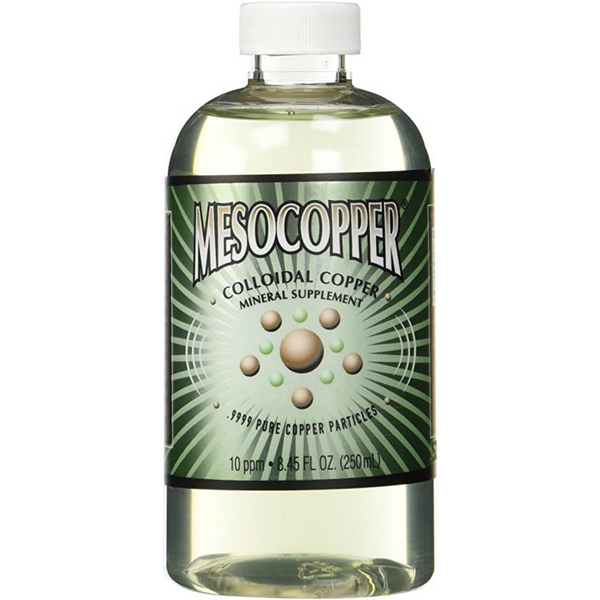
Experience the MesoCopper Difference
High-quality colloidal copper with verified particle size, optimal concentration (20 PPM), and maximum bioavailability. Support your skin, hair, joints, energy, immunity, and overall wellness with the trace mineral your body is craving.
📚 References & Further Reading
1. Pickart, L., et al. (2015). "The human tri-peptide GHK-Cu in prevention of oxidative stress and degenerative conditions of aging." Oxidative Medicine and Cellular Longevity.
2. Uauy, R., et al. (1998). "Copper in the evolution and function of the nervous system." American Journal of Clinical Nutrition, 67(5), 952S-959S.
3. Klevay, L. M. (2000). "Cardiovascular disease from copper deficiency—a history." Journal of Nutrition, 130(2), 489S-492S.
4. Percival, S. S. (1998). "Copper and immunity." American Journal of Clinical Nutrition, 67(5), 1064S-1068S.
5. Madsen, E., & Gitlin, J. D. (2007). "Copper and iron disorders of the brain." Annual Review of Neuroscience, 30, 317-337.
Disclaimer: This article is for educational purposes only and is not intended to diagnose, treat, cure, or prevent any disease. The statements made regarding colloidal copper have not been evaluated by the FDA. Always consult with a qualified healthcare provider before starting any new supplement regimen, especially if you have existing health conditions (particularly Wilson's disease or liver disease), are pregnant or breastfeeding, or are taking medications. Individual results may vary. Blood work to monitor copper and zinc levels is recommended for long-term supplementation.