
What Is Colloidal Copper Used For? 7 Surprising Applications
From beauty to performance: discover the versatile applications of this essential trace mineral
🔍 Quick Answer: Colloidal copper is used for skin health, hair growth, joint support, immune function, wound healing, anti-aging, and athletic recovery. This trace mineral plays crucial roles in over 50 enzymatic processes in your body.
Copper is often overshadowed by more popular minerals like zinc, magnesium, or iron. But here's what most people don't realize: copper is involved in more enzymatic reactions in your body than almost any other trace mineral—yet it's one of the most commonly deficient nutrients in modern diets.
Colloidal copper—ultra-fine copper particles suspended in pure water—offers a highly bioavailable way to supplement this essential mineral. But what exactly can you use it for? Let's explore seven evidence-based applications that might surprise you.
Understanding Colloidal Copper: The Basics
Before diving into specific uses, let's clarify what colloidal copper actually is and why the colloidal form matters.
What Makes Colloidal Copper Different?
Particle Size: Typically 1-20 nanometers—small enough to be absorbed easily
Bioavailability: Higher absorption rate compared to copper sulfate or oxide
Purity: Contains only copper nanoparticles and ultra-pure water—no additives
Surface Area: Massive surface-to-volume ratio = more active sites for biological interaction
📊 Copper's Role in Human Physiology
7 Powerful Applications of Colloidal Copper
1. Skin Health & Anti-Aging
Perhaps the most well-known use of copper in skincare, this mineral is a critical cofactor for collagen and elastin production—the structural proteins that keep your skin firm, smooth, and youthful.
How It Works:
- Lysyl oxidase activation: Copper is essential for this enzyme that cross-links collagen and elastin fibers
- Antioxidant defense: Activates superoxide dismutase (SOD), protecting skin from free radical damage
- Melanin regulation: Involved in tyrosinase activity, affecting pigmentation and age spot formation
- Wound healing: Promotes angiogenesis (new blood vessel formation) in damaged tissue
💧 Application Methods: Both topical (mixed into serums or applied directly) and oral supplementation. Many high-end skincare products now include copper peptides for this very reason—colloidal copper offers similar benefits at a fraction of the cost.
2. Hair Growth & Pigmentation
Struggling with thinning hair or premature graying? Copper deficiency might be a contributing factor. This mineral plays essential roles in both hair structure and color.
The Hair-Copper Connection:
- Keratin cross-linking: Copper strengthens the disulfide bonds in hair protein structure
- Melanin production: Essential for tyrosinase, the enzyme that produces hair pigment
- Hair follicle health: Supports microcirculation to scalp, delivering nutrients to follicles
- Growth phase extension: May help prolong the anagen (growth) phase of the hair cycle
📖 Research Note: A study published in the Journal of Trace Elements in Medicine and Biology found that individuals with premature graying had significantly lower serum copper levels compared to controls. While correlation doesn't prove causation, ensuring adequate copper status may support natural hair pigmentation.
3. Joint Health & Connective Tissue Support
Beyond skin and hair, copper's collagen-building capabilities extend to cartilage, tendons, ligaments, and bone matrix—making it valuable for joint health and mobility.
Mechanisms for Joint Support:
- Collagen type II synthesis: The primary collagen in cartilage requires copper-dependent enzymes
- Anti-inflammatory effects: Copper-dependent SOD reduces oxidative stress in joint tissue
- Bone mineralization: Works synergistically with calcium and vitamin D for bone density
- Tissue repair: Supports regeneration of damaged connective tissue
💪 Athletic Application: Many athletes and active individuals use colloidal copper as part of their recovery protocol, particularly for maintaining healthy joints during high-impact training. It's often combined with collagen supplementation for synergistic effects.
4. Immune System Function
Copper plays a less-publicized but crucial role in immune function. Deficiency can compromise your body's ability to fight off infections and maintain healthy immune surveillance.
Immune Support Mechanisms:
- Neutrophil function: Copper is essential for proper white blood cell activity
- Natural killer (NK) cells: Adequate copper levels support NK cell maturation and function
- Antibody production: Required for optimal B-cell and T-cell responses
- Antimicrobial properties: Copper itself has direct antimicrobial effects against certain pathogens
🦠 Interesting Fact: Hospitals are increasingly using copper-infused surfaces (door handles, bed rails) because copper ions are toxic to bacteria, viruses, and fungi. While the mechanism differs from supplementation, it highlights copper's inherent antimicrobial properties.
5. Cardiovascular & Blood Health
Your heart and blood vessels are particularly dependent on copper for structural integrity and proper function. This often-overlooked connection makes copper important for cardiovascular wellness.
Cardiovascular Benefits:
- Blood vessel elasticity: Copper-dependent lysyl oxidase maintains arterial wall flexibility
- Iron metabolism: Ceruloplasmin (a copper-containing enzyme) is essential for iron transport and red blood cell formation
- Cholesterol regulation: Involved in lipid metabolism and may influence cholesterol levels
- Heart muscle strength: Supports mitochondrial function in cardiac tissue
⚠️ Important Note: Both copper deficiency AND excess can negatively impact cardiovascular health. The key is maintaining optimal levels—typically through moderate, consistent supplementation rather than megadoses. Always consult with a healthcare provider if you have existing cardiovascular conditions.
6. Energy Production & Mitochondrial Function
Feeling chronically fatigued despite adequate sleep? Copper deficiency might be sabotaging your cellular energy production. This mineral is a critical component of your mitochondrial machinery.
Energy Enhancement Mechanisms:
- Cytochrome c oxidase: The final enzyme in the electron transport chain requires copper to function—this is where ATP (cellular energy) is generated
- Mitochondrial efficiency: Adequate copper improves mitochondrial membrane potential
- Oxidative stress protection: Copper-zinc SOD protects mitochondria from free radical damage
- Oxygen utilization: Improves cellular respiration and oxygen delivery to tissues
⚡ Performance Note: Athletes and biohackers increasingly recognize copper's role in cellular energy. When combined with other mitochondrial supporters (CoQ10, magnesium, B vitamins), colloidal copper may support sustained energy levels and reduce exercise-induced fatigue.
7. Neurological Health & Cognitive Function
Your brain is one of the most metabolically active organs in your body—and it's particularly dependent on copper for neurotransmitter synthesis, myelin formation, and antioxidant defense.
Cognitive Support Mechanisms:
- Neurotransmitter production: Copper-dependent enzymes synthesize dopamine, norepinephrine, and other key neurotransmitters
- Myelin sheath formation: Essential for nerve signal insulation and transmission speed
- Brain antioxidant defense: Protects neurons from oxidative damage
- Neuropeptide synthesis: Involved in creating various signaling molecules in the nervous system
🧠 Research Connection: Disrupted copper homeostasis has been linked to neurodegenerative conditions, though the relationship is complex—both deficiency and excess can be problematic. The goal is optimal balance, which is why moderate, consistent supplementation may support long-term brain health.
How to Use Colloidal Copper: Practical Guidelines
Now that you understand what colloidal copper can be used for, let's discuss practical application methods and dosing considerations.
Internal (Oral) Use
Suggested Protocol:
- Dosage: 1 teaspoon (5ml) of colloidal copper (typically 10-20 PPM)
- Timing: Morning, on an empty stomach for best absorption
- Method: Hold under tongue for 30-60 seconds before swallowing (sublingual absorption)
- Frequency: Daily or 5 days per week with 2-day breaks
⚖️ Balance with Zinc: Copper and zinc compete for absorption. If you supplement with high-dose zinc (>25mg daily), you may need to monitor copper status. The ideal zinc-to-copper ratio is roughly 8-15:1. Most people get adequate zinc from food but insufficient copper—making copper supplementation beneficial.
External (Topical) Use
Application Methods:
- Direct application: Spray or apply with cotton pad to clean skin
- Serum additive: Mix a few drops into your regular serum or moisturizer
- Scalp treatment: Apply to scalp, massage gently, leave for 20-30 minutes before washing
- Compress: Soak gauze in colloidal copper and apply to joints or problem areas
💧 Skincare Tip: For anti-aging benefits, apply colloidal copper to clean skin in the evening. Allow to absorb fully before applying other products. Many users report visible improvements in skin texture and firmness within 4-6 weeks of consistent use.
Safety Considerations & Who Should Use Caution
Colloidal copper is generally safe when used appropriately, but there are important considerations:
✅ Generally Safe For:
- Healthy adults seeking copper supplementation
- People with confirmed copper deficiency
- Athletes supporting recovery
- Those using topically for skin/hair
- Individuals on standard doses (<2mg elemental copper/day)
⚠️ Use Caution If:
- Wilson's disease (genetic copper accumulation disorder)
- Liver disease (copper is metabolized by liver)
- Taking high-dose zinc supplements
- Pregnant or breastfeeding
- On certain medications (consult doctor)
🔬 Monitoring Copper Status: If supplementing long-term, consider periodic blood testing to check:
- Serum copper: Direct measurement of copper in blood
- Ceruloplasmin: The main copper-carrying protein
- Zinc levels: Ensure proper copper-zinc balance
Signs You May Need Copper Supplementation
How do you know if you might benefit from colloidal copper? Here are common signs of copper deficiency:
⚕️ Deficiency Symptoms
Common Deficiency Indicators:
- Premature graying of hair
- Pale skin, anemia not responsive to iron
- Frequent infections or slow wound healing
- Joint pain or bone fragility
- Chronic fatigue despite adequate sleep
- Skin that lacks elasticity or shows premature aging
- Neurological symptoms (numbness, poor coordination)
- High cholesterol despite healthy lifestyle
Maximizing Results: Synergistic Combinations
Colloidal copper works even better when combined with complementary nutrients and practices:
🎯 The Copper-Optimization Stack
- Colloidal copper (topical/oral)
- Vitamin C (collagen cofactor)
- Collagen peptides
- Hyaluronic acid
- Adequate protein intake
- Colloidal copper
- CoQ10 (mitochondrial support)
- Magnesium glycinate
- B-complex vitamins
- Regular exercise
- Colloidal copper
- Type II collagen
- Vitamin D3 + K2
- Omega-3 fatty acids
- Weight-bearing exercise
- Colloidal copper
- Colloidal silver (when needed)
- Vitamin C
- Zinc (balanced ratio)
- Quality sleep
The Bottom Line
Colloidal copper is far more versatile than most people realize. From supporting radiant skin and vibrant hair to maintaining healthy joints, immune function, and cellular energy—this essential trace mineral deserves a place in your wellness toolkit.
Key Takeaways:
- Copper is involved in over 50 enzymatic reactions in your body
- Colloidal form offers superior bioavailability compared to other copper supplements
- Applications range from beauty (skin, hair) to performance (energy, joints) to health (immune, cardiovascular)
- Both oral and topical use can be beneficial depending on your goals
- Balance with zinc is important—don't megadose either mineral
- Consistency matters more than high doses
- Most effective as part of a comprehensive wellness strategy
Whether you're looking to support healthy aging, enhance athletic recovery, or simply ensure optimal mineral status, colloidal copper offers a simple, effective way to fill a critical nutritional gap that many people don't even know they have.
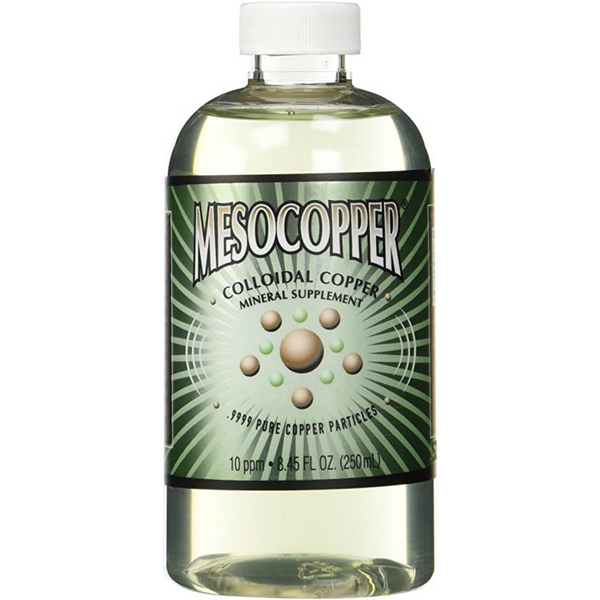
Experience the MesoCopper Difference
High-quality colloidal copper with verified particle size, optimal concentration, and maximum bioavailability. Support your skin, hair, joints, energy, and overall wellness.
Disclaimer: This article is for educational purposes only and is not intended to diagnose, treat, cure, or prevent any disease. The statements made regarding colloidal copper have not been evaluated by the FDA. Always consult with a qualified healthcare provider before starting any new supplement regimen, especially if you have existing health conditions, Wilson's disease, liver disease, or are taking medications. Individual results may vary.